1. Flexible Spaces — More Than Just Open Plans
Open-plan offices dominated in previous years, but experience shows they are not ideal for all types of work. In 2026, spaces that accommodate different work modalities are gaining importance: focused zones for individual tasks, shared work areas for team collaboration, as well as acoustic pods or small rooms for video calls and quieter tasks. Modular furniture and movable partitions allow for quick adaptation of the space to the team’s needs.
2. “Resimercial” Design — Comfort Meets Professionalism
Modern offices are increasingly moving away from sterile business environments. Instead, the trend of “resimercial” design is growing — a stylish blend of home-like comfort (warm tones, soft materials, natural textiles) with professional office functionality. This approach enhances employee well-being, reduces stress, and makes the workspace more enjoyable — without compromising its professional character.
3. Smart Technologies — Office 2.0
Technology is no longer just an add-on; it is an integral part of modern office environments. Intelligent space management systems, including automated lighting, temperature control, and real-time occupancy monitoring, are becoming standard. Additionally, the integration of AI tools for optimizing meeting schedules or booking spaces further enhances the user experience.
4. Nature as Part of the Work Environment
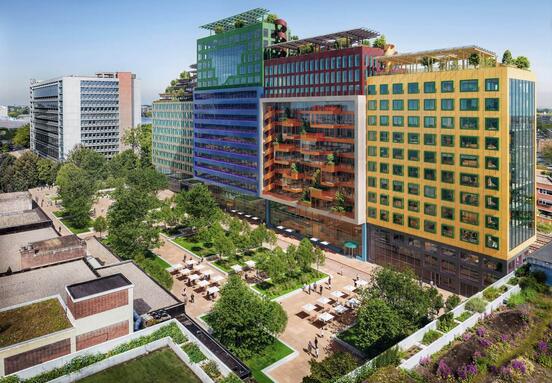
Biophilic design — the integration of natural elements into indoor spaces — continues to grow globally. In 2026, this means not only incorporating plants, but also smart use of natural light, green walls, eco-friendly materials, and spaces that promote air quality. These elements positively impact concentration, creativity, and overall satisfaction.
5. Focus on Social Areas and Community Culture
Offices are no longer just places for “desk work.” Spaces for socializing, lounge areas, in-office cafés, or shared relaxation rooms foster interpersonal connections and strengthen organizational culture. Especially in hybrid work models, where employees come to the office for different purposes, these zones become hubs for interaction and innovation.
6. Multifunctionality and Sustainability
Flexibility also means long-term adaptability. Spaces that can be easily reconfigured allow companies to respond to business changes without major costs. At the same time, the shift toward sustainable materials, local suppliers, and green certifications (LEED, WELL) is becoming increasingly important when choosing office spaces — not only for environmental reasons but also for business reputation.
The year 2026 brings clearly enhanced standards for office design — more than ever, an office must be functional, healthy, technologically advanced, and tailored to modern ways of working. Such spaces not only attract and retain talent but also directly impact productivity and business results.